This site uses cookies for better user experience and analytics.
Nine Human Roles in the Age of AI
Use the time AI saves for work that draws on each person’s strengths.
When AI drafts documents or compiles figures, who could use the time it frees up, and what could they do with it? At ESCUVE, we see nine roles people play in projects. They fall into three groups: set direction, lead the work, and deliver the result. As you explore them, think about the times people turned to you for help.
Set direction
Decide where the business should go and explain why.
Analysis
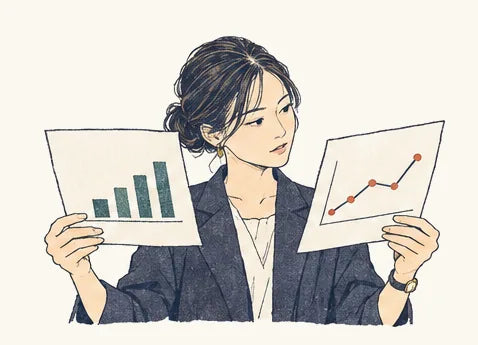
Choose how to interpret the results and form a hypothesis to test next.
In practice
A marketer breaks down a change in sales by customer segment and sales channel to narrow down which explanation to investigate next.
Tasks AI can help with
Summarizing and comparing data
Concept development
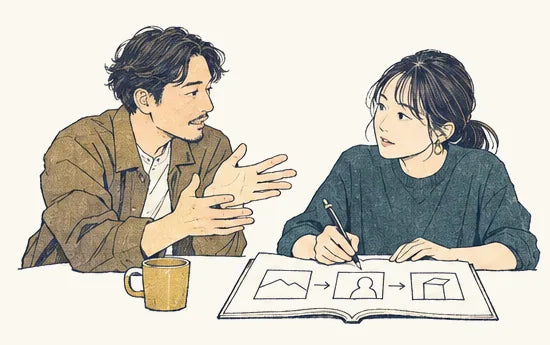
Listen to what people want to achieve and translate their intent into a brief that defines what to deliver.
In practice
A director or planner listens to the people involved and defines whose problem the project will solve.
Tasks AI can help with
Organizing requests and developing draft concepts
Opportunity discovery
Spot changes in the market or on the ground and turn emerging needs into requirements for what comes next.
In practice
A business development or product planning lead uses customer feedback to propose what the next product should do.
Tasks AI can help with
Organizing market trends and customer feedback
Lead the work
Help people and AI work toward a shared goal.
Project delivery
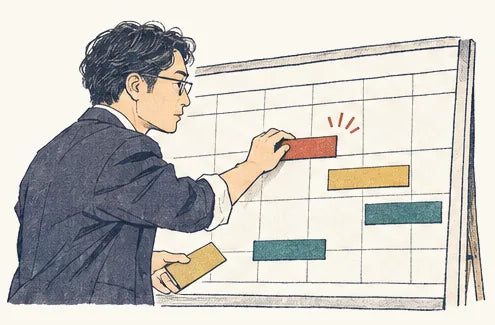
Anticipate what could stall the work or jeopardize a deadline and act before a delay occurs.
In practice
A project manager or production coordinator books time with an approver in advance so the team can keep working.
Tasks AI can help with
Compiling progress updates and flagging delays
Briefing
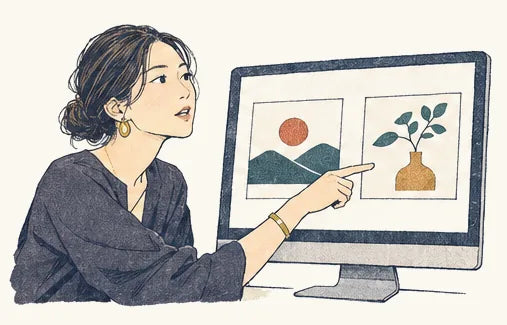
Recognize where AI’s interpretation differs from what someone meant and write instructions that convey their intent.
In practice
A creative director or commissioning editor spots where a first draft departs from the brief and explains exactly what needs to change.
Tasks AI can help with
Drafting instructions and comparing outputs
Coordination
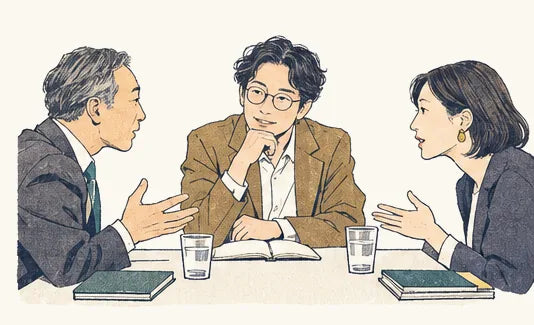
Understand each party’s circumstances and find an agreement everyone can act on.
In practice
An account manager reconciles a supplier’s preferred delivery date with a logistics partner’s constraints and agrees on a date both can meet.
Tasks AI can help with
Organizing points for discussion and comparing terms
Deliver the result
Turn what people need into something they can use in their daily work.
Design
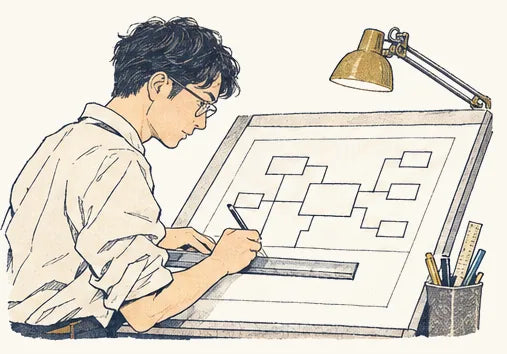
Work from the requirements and practical constraints to decide how the parts should fit together and function.
In practice
A systems architect decides which data the online store, inventory system, and warehouse should each manage and how they should share it.
Tasks AI can help with
Drafting system structures and design diagrams
Production
Shape the finished work around the people who will use it, making the most of the time, people, and budget available.
In practice
An engineer, designer, or composer uses feedback from users or listeners to refine the work and deliver it within the available time and budget.
Tasks AI can help with
Prototyping, creating assets, and generating code
Verification
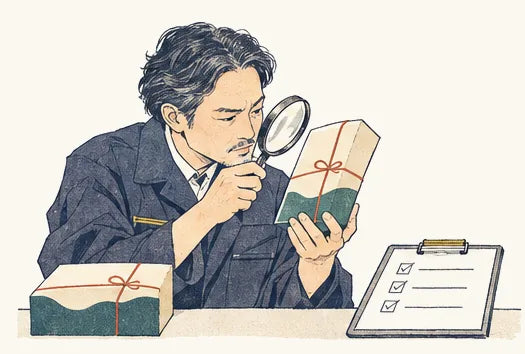
Test for exceptions, correct errors and omissions, and check that the revised work meets the requirements.
In practice
A quality assurance specialist, acceptance tester, or copy editor catches a problem before release and checks the corrected version.
Tasks AI can help with
Comparing versions and repeating tests
What ESCUVE consultants and project managers take responsibility for
We expect our consultants and project managers to have the skills for all nine roles. On every engagement, they personally take responsibility for analysis, project delivery, and design. They decide what to base decisions on, remove obstacles before work stalls, and turn business requirements into systems people can use.
The nine roles at a glance
This A3 portrait poster brings all nine roles together for one-to-one conversations and team discussions. The download is in Japanese.